Table Of Content
The core of a golf ball is responsible for its initial velocity and energy transfer upon impact. Different core designs and materials can result in varying levels of compression, which in turn affects distance and feel. Dual-core and multi-layer constructions are commonly used to optimize performance for different swing speeds.
Decision to revise golf ball testing conditions beginning in 2028 announced - R&A
Decision to revise golf ball testing conditions beginning in 2028 announced.
Posted: Wed, 06 Dec 2023 08:00:00 GMT [source]
Impact of Golf Balls on the Game
Golf ball design has a direct impact on the distance and accuracy of your shots. Balls designed for maximum distance are optimized for low drag and high initial velocity, while balls focused on accuracy prioritize control and spin characteristics. Finding the right balance between distance and accuracy is essential to match your individual playing style and course conditions. Dimples on the surface of a golf ball reduce drag by creating turbulence in the boundary layer of air.
Golf Clubs
Titleist's Pro V1, Taylormade TP5, and Callaway Supersoft exemplify modern advancements in golf ball aerodynamics. The Titleist Pro V1 boasts a tightly wound 388-dimple design, minimizing gaps between dimples for better aerodynamics. On the other hand, the Taylormade TP5 features a combination of circular and hexagonal dimples to reduce drag. Lastly, Callaway balls showcase a sleek, completely hexagonal design for straighter ball flights. One of the most important metrics a golfer will look at when choosing a golf ball to fit their game is the spin rates produced when hitting different types of golf balls. Swing speed can also influence spin and lift, so using a ball that launches higher is a plus.
What Are The Different Types Of Golf Balls?
The rubber thread-wound golf ball became the standard golf ball in the market and remained so for many years. The evolution of the golf ball has been a fascinating journey, and it all began with the early golf balls. In this section, we will explore the different types of early golf balls, including wooden balls, featherie golf balls, and gutta percha balls. In the beginning, golf balls were made from wood, and while they were effective, they were far from perfect. Over time, golf ball manufacturers began experimenting with different materials and designs to create a more consistent and effective golf ball.
Step 3: Applying the Dimples
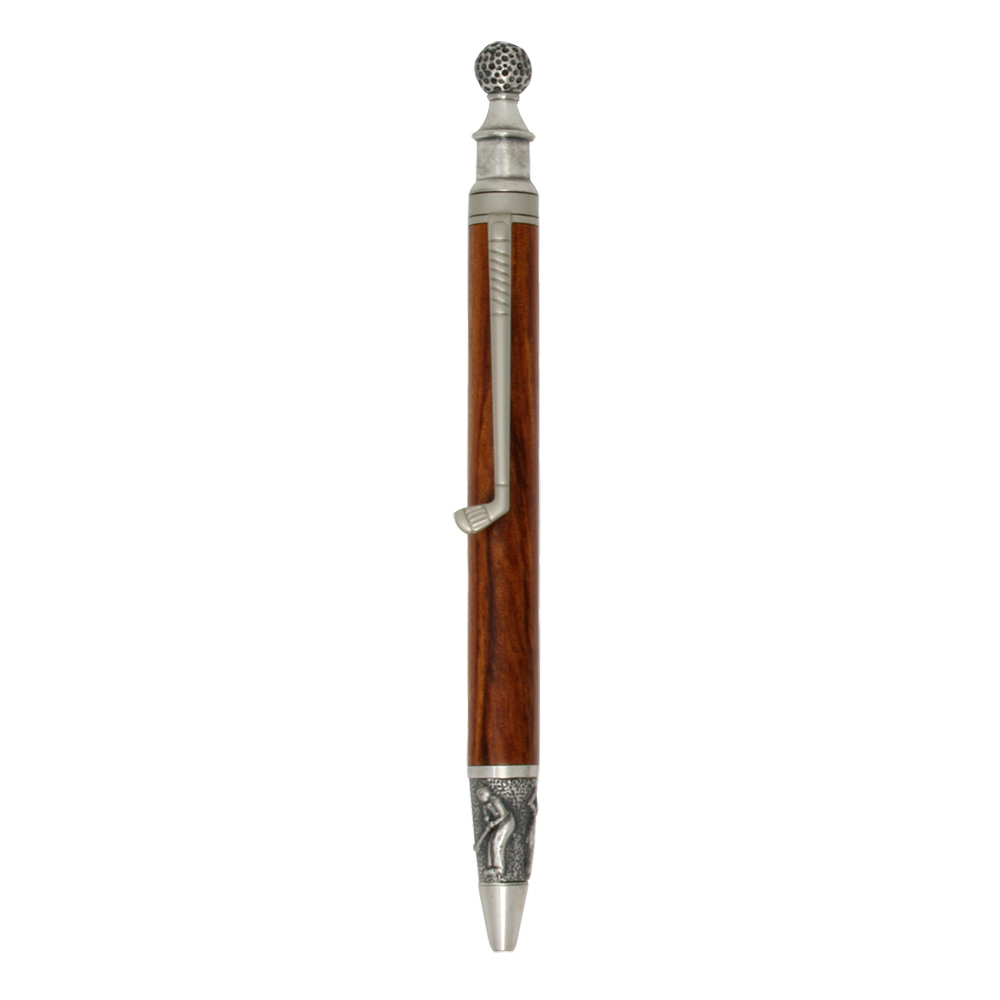
As technology continues to advance, so does the design and construction of golf balls. Manufacturers are constantly researching and testing new materials and designs to create a golf ball that can provide even more distance and accuracy for players. Overall, the history of golf balls has had a significant impact on the game of golf. The evolution of golf balls has led to more consistent ball flight, longer distances, and improved performance. The United States Golf Association introduced regulations that required golf balls to be no smaller than 1.68 inches in diameter and no heavier than 1.62 ounces. The regulations also required golf balls to have a more consistent ball flight.
The next major innovation came in the early 1900s with the Haskell ball, the first modern golf ball. This ball featured a solid rubber core wrapped in rubber thread and covered in gutta-percha, providing even more durability and control. In addition to regulating the size and weight of golf balls, the USGA also regulates the golf ball’s performance. The USGA measures the golf ball’s speed, spin, and trajectory, to ensure that it meets the standards for consistent ball flight. Aerodynamic optimization is also expected to play a big role in the future of golf ball design.
Choosing the Right Golf Ball for Your Game
From the wooden ball to the gutta percha ball, each type of ball played a significant role in the evolution of the modern golf ball. The gutta percha ball was the next major development in golf ball technology. It was invented in the mid-19th century and was made from the sap of the gutta percha tree. The gutta percha ball was much more durable than the featherie golf ball and had a more consistent flight. The gutta percha ball was also much cheaper to produce than the featherie golf ball.
A golf ball with fewer dimples will travel less distance than a golf ball with more dimples. This can affect your handicap, as you may need to use a different club or adjust your swing to compensate for the reduced distance. In addition, the dimples on a golf ball can be optimized to reduce drag even further. The size, depth, and pattern of the dimples can all be adjusted to create the most efficient airflow around the ball. This technology can however be found in some computerized driving ranges. In this format, each ball used at the range has an RFID with its own unique transponder code.
How Golf Ball Construction Impacts Ball Flight
From company logos and brand ventures to personal images, you can now make the #1 ball in golf even more personal with our Custom Logo Upload Service. In short, designing an entire course is a very different job than dreaming up a single hole from scratch. Or, at least, you plan to enter the GOLF Magazine + Nicklaus Design Challenge. This ball was made from the sap of the gutta-percha tree, which was found in Malaysia. These balls were cheaper to make than feather balls and lasted longer. Learn the exact golf practice routines thousands of students at Foy Golf Academy are using to lower their golf scores.
In summary, the history of golf ball design has gone from smooth wooden balls to dimpled gutta-percha balls. The evolution of the golf ball has been a result of natural selection, where golfers discovered that balls with nicks and scratches traveled farther than smooth balls. The dimples on a golf ball help to reduce drag and increase lift, allowing the ball to travel farther through the air. Golf ball design is a complex and fascinating topic that greatly influences the performance of your shots.
The balatá was a bit soft, leading to cover damage that often resembled a slash or smile, rendering the ball useless. The better you struck the sweet spot, the less likely you were to leave a smile. Think of some of golf’s most memorable moments; many have been recovery shots. “With every hole, we’re trying to define how it should be played, but we’re also trying to determine what the penalty is if you don’t play the correct shot.



No comments:
Post a Comment